Eye conditions
Plain-English explanations of the conditions we see most often. These pages are for general information — they are not a way to diagnose yourself.
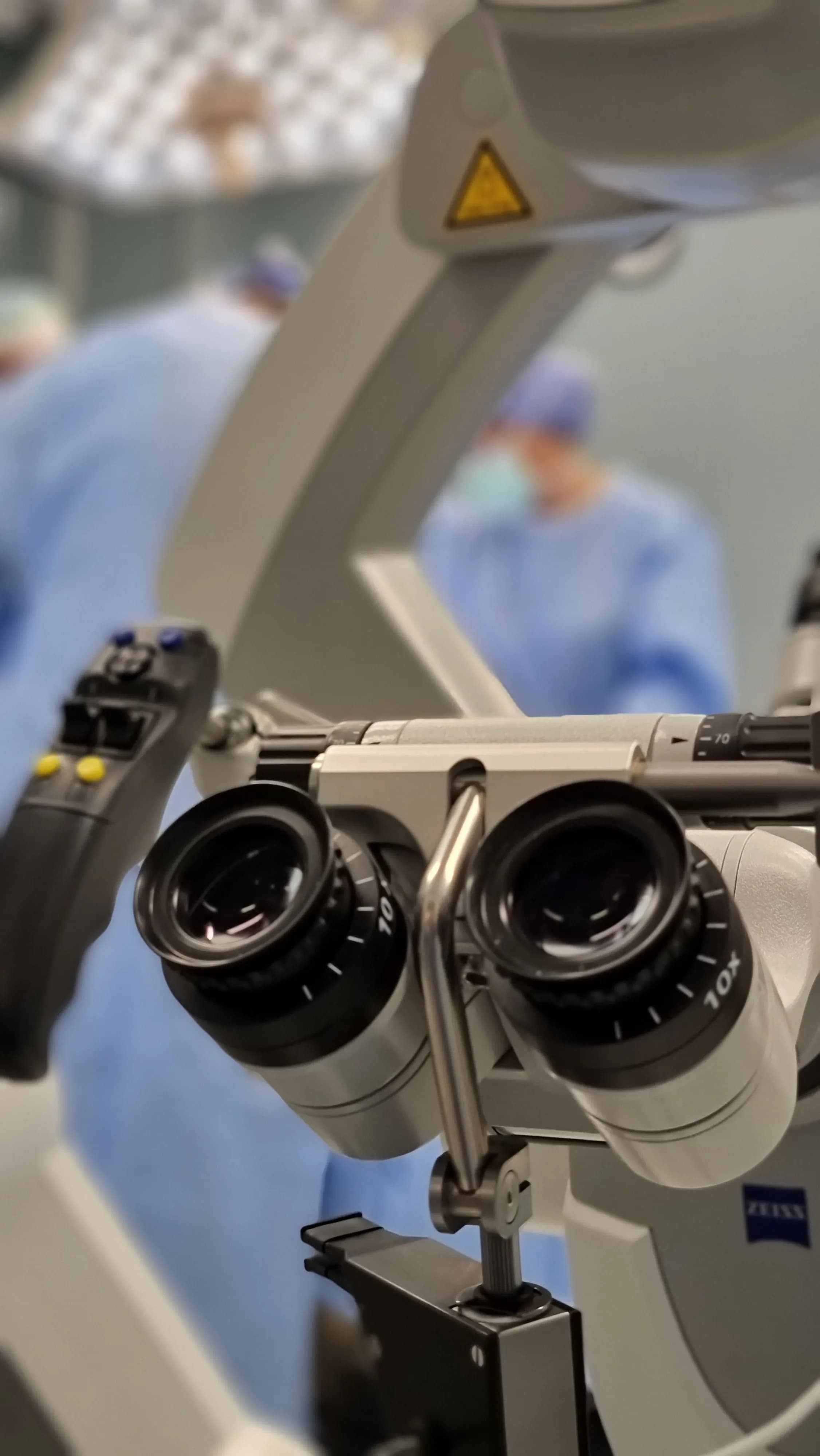
Stock photograph — https://www.pexels.com/photo/30769276/
Cataracts
A cataract is a clouding of the eye’s natural lens. It develops slowly, usually over years, and is a normal part of getting older rather than a disease you have caught or caused.
Dry eye disease
Dry eye is a persistent problem with the tear film that leaves eyes gritty, sore, watery or tired. It is common, often under-treated, and rarely as simple as "not enough tears".
Floaters and flashes
Floaters are small shapes drifting across your vision; flashes are brief arcs of light. Long-standing floaters are usually harmless — but a sudden change in either is a reason to be seen the same day.
Needs urgent attention
Glaucoma
Glaucoma is damage to the optic nerve, usually related to the pressure inside the eye. It is painless and takes peripheral vision first, which is why it is often found at a routine sight test rather than noticed.
Presbyopia
Presbyopia is the gradual loss of the eye’s ability to focus up close. It affects everyone eventually, usually becoming noticeable in the mid-forties, and it is why reading glasses appear on the kitchen table.
Refractive error
The catch-all term for an eye that does not focus light where it should — short sight, long sight and astigmatism. It is not a disease, and it is the reason most people wear glasses or contact lenses.