Dry eye disease
Dry eye is a persistent problem with the tear film that leaves eyes gritty, sore, watery or tired. It is common, often under-treated, and rarely as simple as "not enough tears".
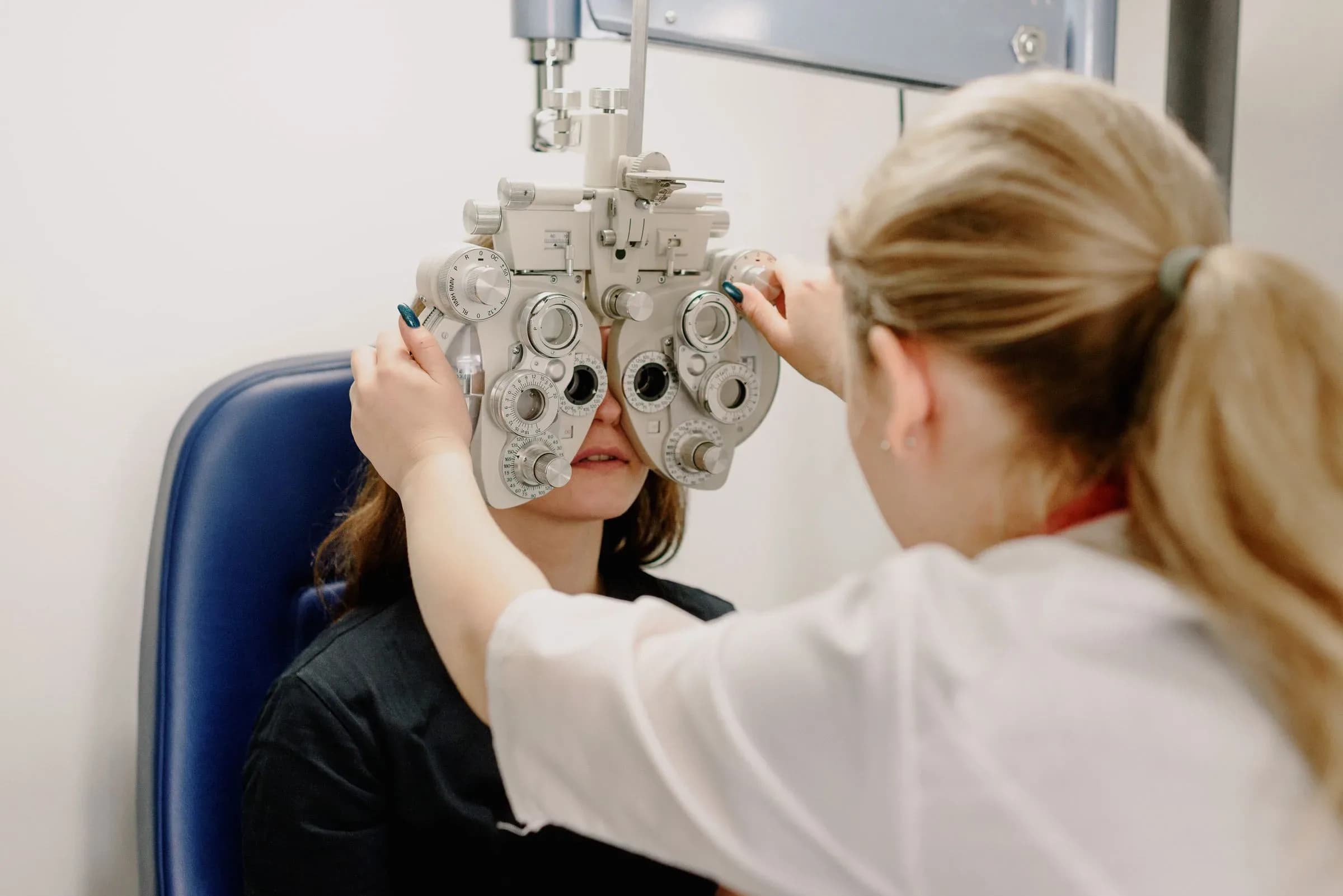
Stock photograph — https://www.pexels.com/photo/5752287/
Symptoms people commonly describe
- Grittiness, as though there is sand in the eye
- Burning or stinging, often worse by the end of the day
- Watery eyes — a common and confusing sign of dryness
- Vision that blurs and clears when you blink
- Discomfort with screens, air conditioning or contact lenses
Recognising your symptoms in this list does not mean you have this condition, and not recognising them does not rule it out. Only an examination with Ms Jiang or another eye specialist can establish what is going on.
Why watery eyes can mean dry eyes
It sounds contradictory, but a poor-quality tear film evaporates too quickly, the eye surface becomes irritated, and the reflex response is a flood of watery tears that do not stick around. Treating the underlying dryness is what settles the watering.
What is usually behind it
- Blocked oil glands in the eyelid margins, which is the most common cause
- Blepharitis — inflammation along the lash line
- Reduced blink rate from screen work
- Hormonal changes, particularly around the menopause
- Some long-term medications
Why assessment is worth it
Most people arrive having already tried several types of drop without much success. That is usually because the treatment did not match the cause — an evaporative problem from blocked glands does not respond well to simple lubricants. Identifying which mechanism is dominant is what makes treatment work.
Common questions
What happens at the first consultation?
The first appointment takes about 45 minutes and is with Ms Jiang herself, not a delegate.
- A discussion of your symptoms, your general health and what you want from your vision
- A full examination, including measurements of the eye and its focusing power
- Dilating drops, which blur your vision for a few hours
- A frank conversation about the options, including doing nothing
- A written summary sent to you and, with your consent, to your GP
Because of the dilating drops, you should not plan to drive yourself home.
Talk to Ms Jiang about dry eye disease
A consultation is 45 minutes with Ms Jiang herself, and it is perfectly common to leave with a recommendation to do nothing yet.
Common questions
What happens at the first consultation?
The first appointment takes about 45 minutes and is with Ms Jiang herself, not a delegate.
- A discussion of your symptoms, your general health and what you want from your vision
- A full examination, including measurements of the eye and its focusing power
- Dilating drops, which blur your vision for a few hours
- A frank conversation about the options, including doing nothing
- A written summary sent to you and, with your consent, to your GP
Because of the dilating drops, you should not plan to drive yourself home.