
Consultant Ophthalmic Surgeon · MBChB (Hon) FRCOphth CertLRS
Clearer vision, explained properly
Private refractive and cataract surgery and lens replacement across Midlands and North West. One surgeon, from the first consultation to the last follow-up.
Two minutes · no obligation · not a medical assessment
- General Medical Council
- The Royal College of Ophthalmologists
- European Society of Cataract & Refractive Surgeons (ESCRS)
- British Medical Association
- Queen Elizabeth Hospital, University Hospitals Birmingham NHS Foundation Trust
- Optimax
- Newmedica
- Edgbaston Eye Consultants
How this works
Meet
A full examination and a conversation with Ms Jiang — not with an optometrist or a counsellor. You leave knowing what she found, what your options are, and what each would cost.
45 minutes
Treat
Ms Jiang performs the operation herself. You are awake, the eye is numbed, and you go home the same day.
Live
Most people are back to their usual routine within a few days, with the eye still settling for a few weeks after that. What changes, and by how much, depends on what was done and on the eye it was done to — which is the conversation you will already have had.
What clear vision is for
Not a promise about your own eyes — those depend on an examination. Just the ordinary things people say they want back.
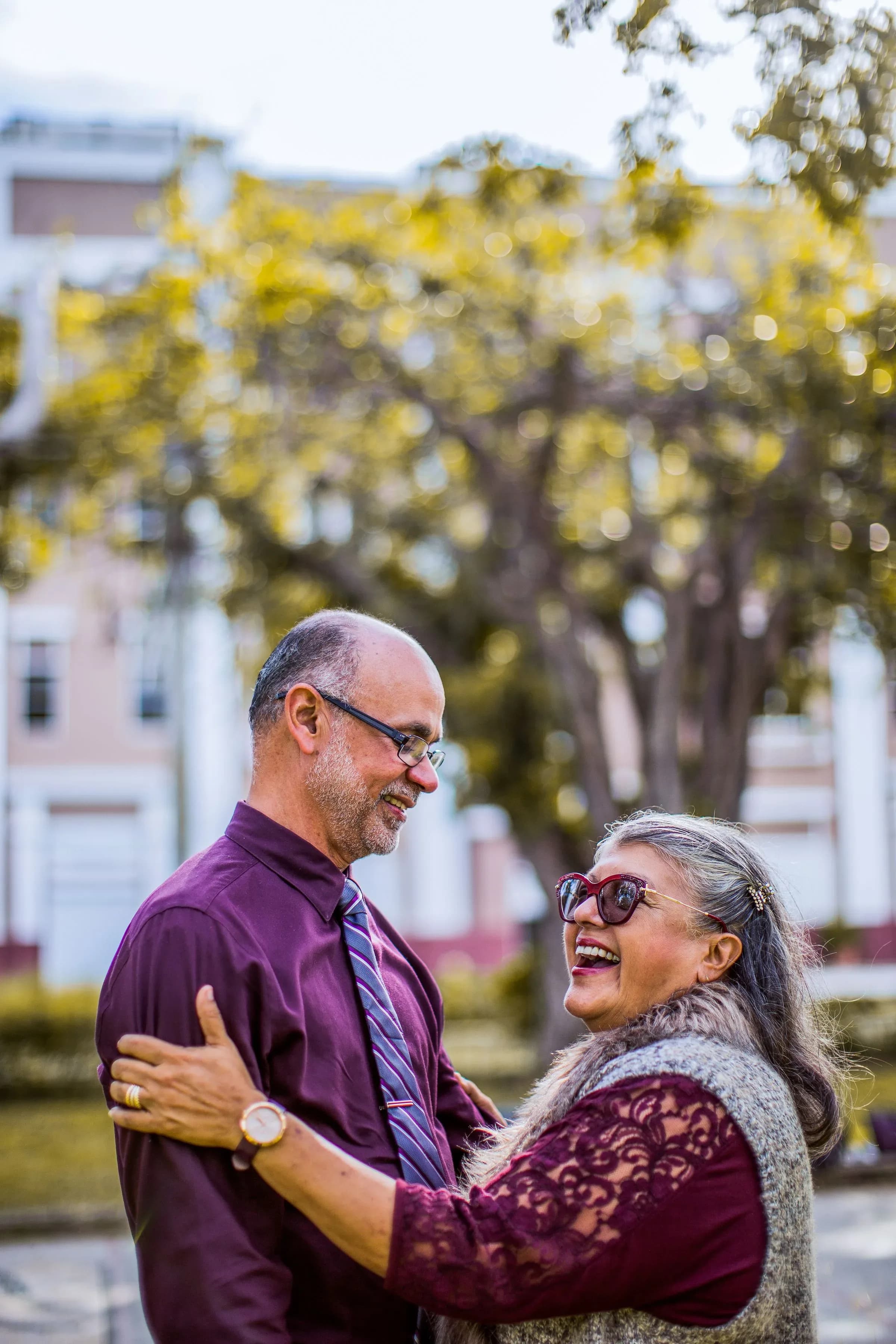
An evening out, and the menu is not the problem. 
A view worth stopping for, seen properly. 
Faces across a table, in focus.
Start where you are
Eyes change at fairly predictable points. Find the one that sounds like you and see what tends to be discussed.

Twenties to thirties
Glasses fog up, contact lenses dry out, and both get in the way of the things you actually want to be doing. You would rather not think about either of them.

Forties
Small print has started moving further away. You hold the menu at arm’s length, and you have caught yourself turning the phone brightness up.

Fifties
Reading glasses live in every room and you still cannot find a pair. Varifocals help, but you have never quite got on with them.

Sixty and over
Night driving has become work — headlights scatter and signs arrive late. Colours have gone flat, the television is harder to follow, and the word cataract has started coming up.
What Ms Jiang treats
Laser reshapes the cornea; the other three work on the lens inside the eye. Which one is right depends on your eyes and your age, and that is what a consultation is for.
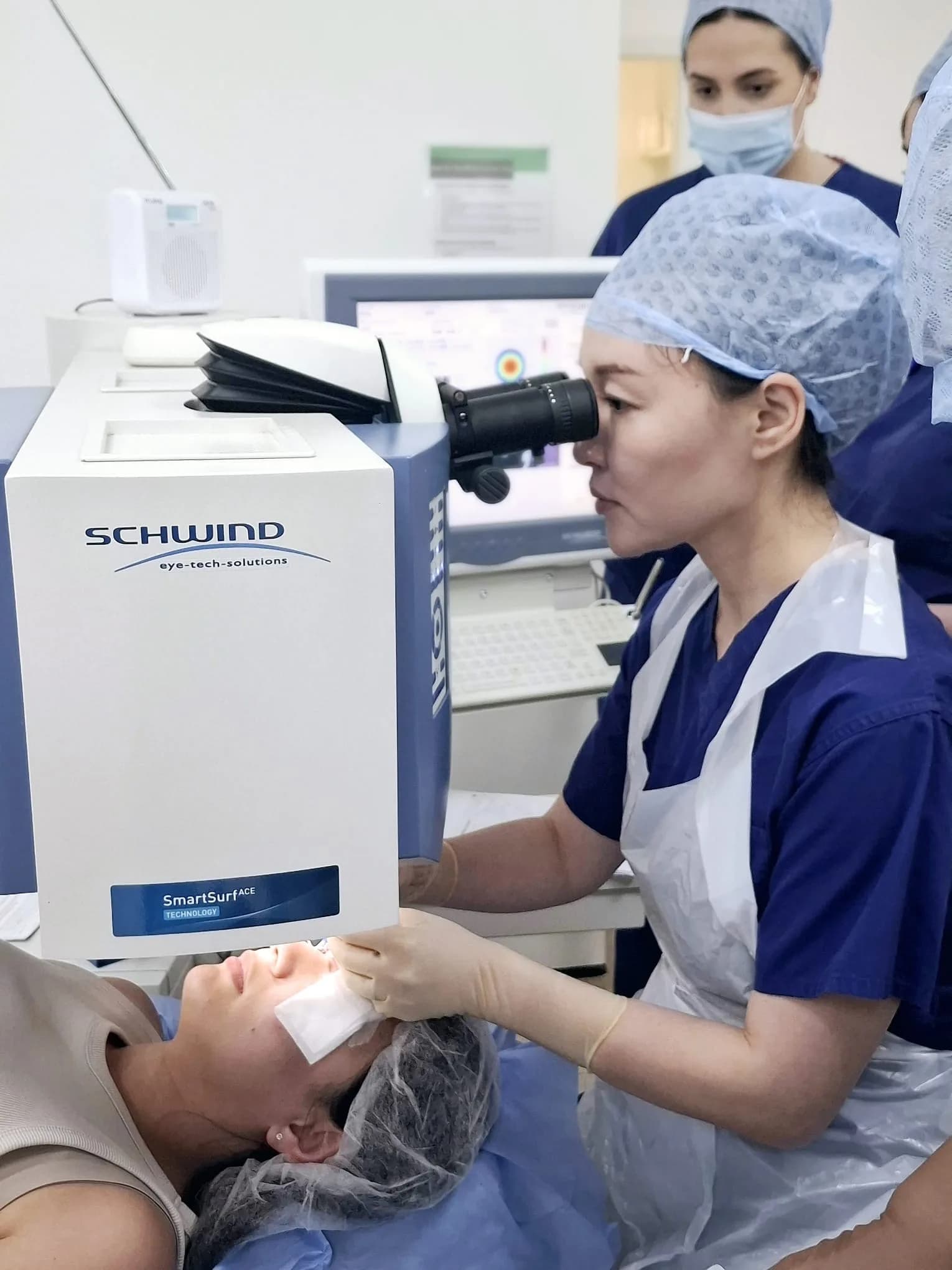
Laser eye surgery
Laser eye surgery uses cool beams of light to reshape the clear front surface of your eye, called the cornea. This quick, painless 10 to 20-minute outpatient procedure fixes how light enters your eye. It helps you see clearly without glasses or contact lenses.
£1,295 per eyeRead more →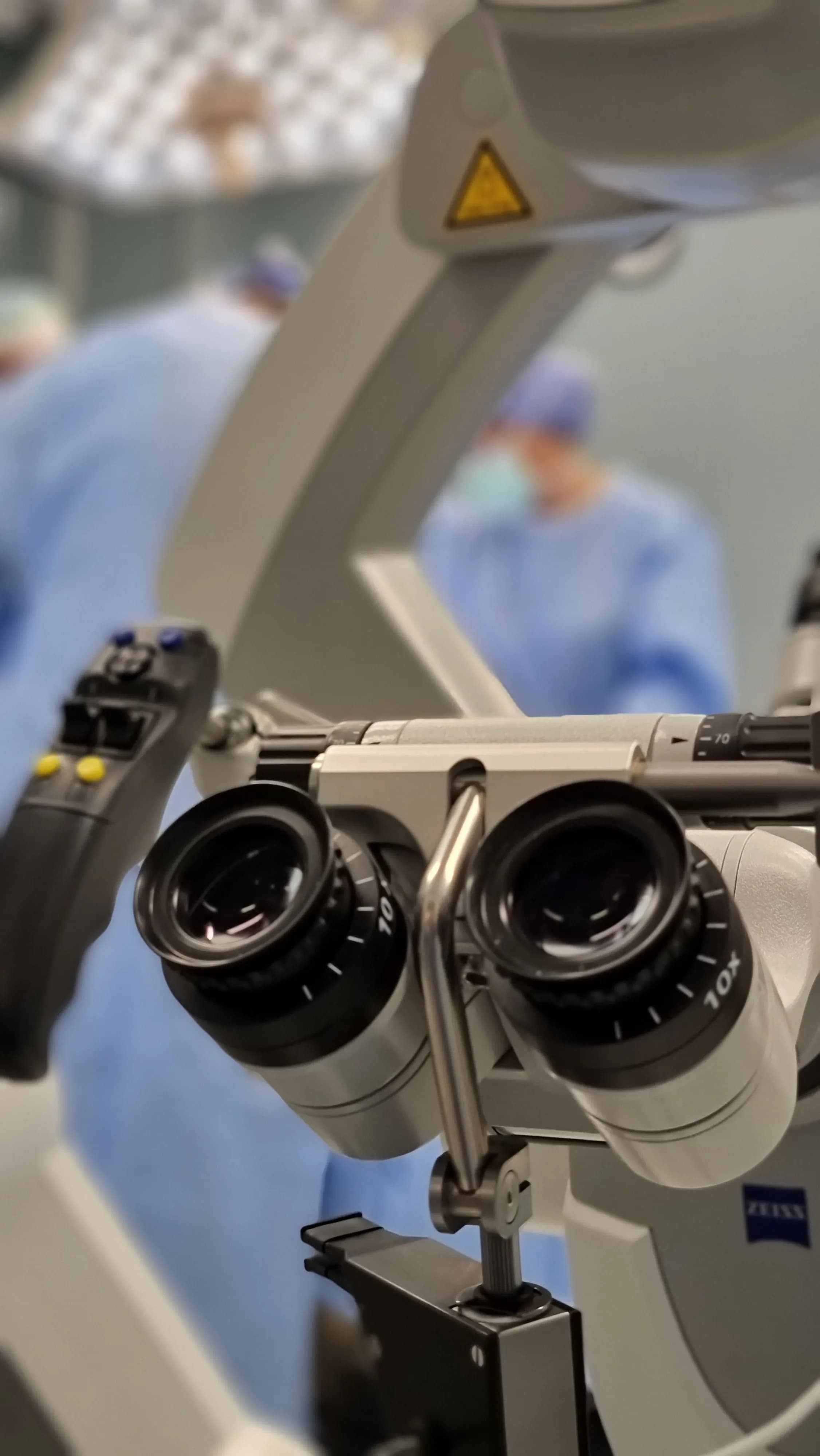
Refractive lens replacement
Replacing the eye’s natural lens with an artificial one chosen to correct your focus, to reduce or remove the need for reading glasses and varifocals. A cataract can never develop afterwards.
from £2,795 per eyeRead more →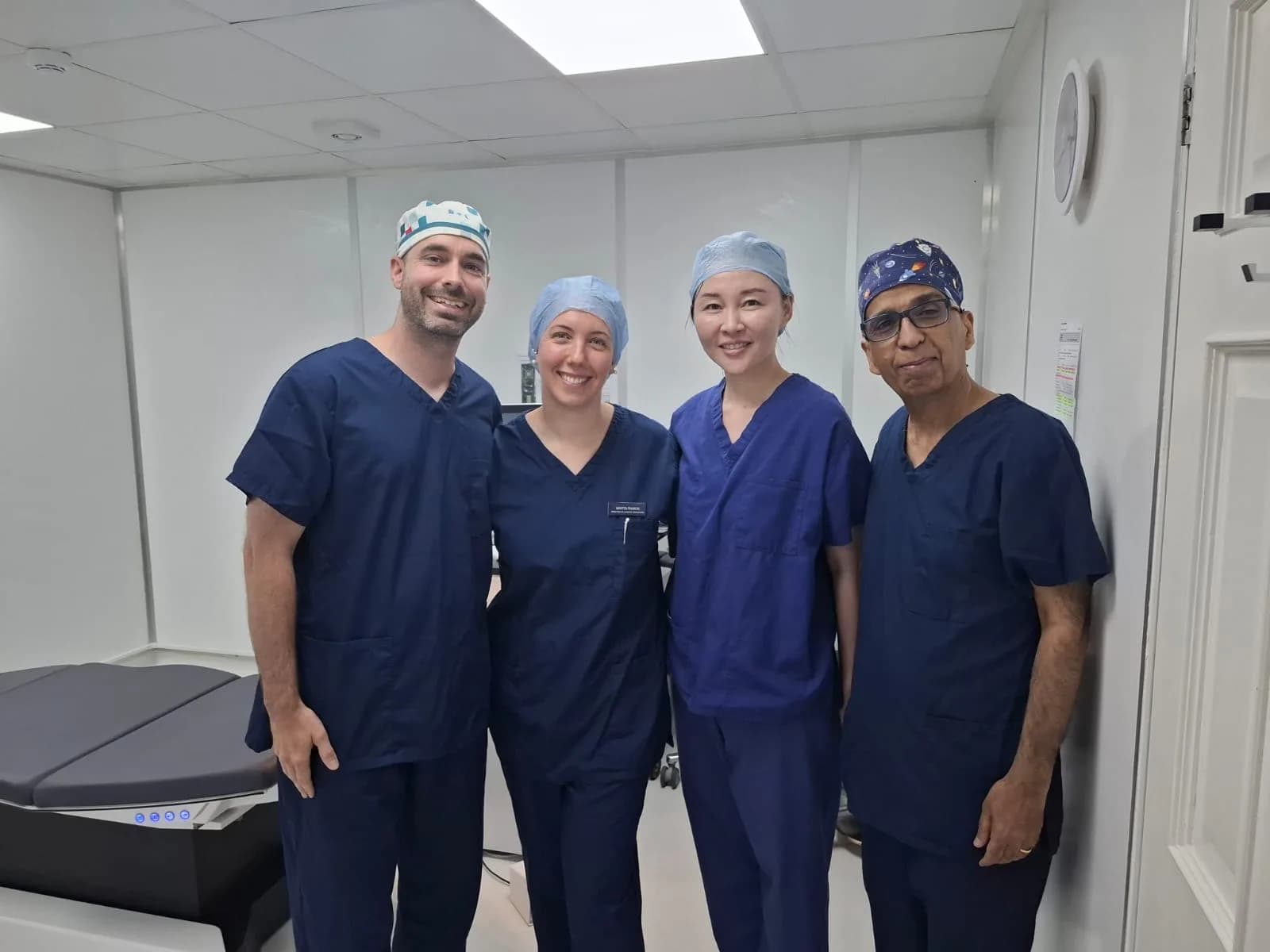
Cataract surgery
Day-case surgery to remove a clouded natural lens and replace it with a clear artificial one. One of the most commonly performed and most reliable operations in the UK.
from £2,795 per eyeRead more →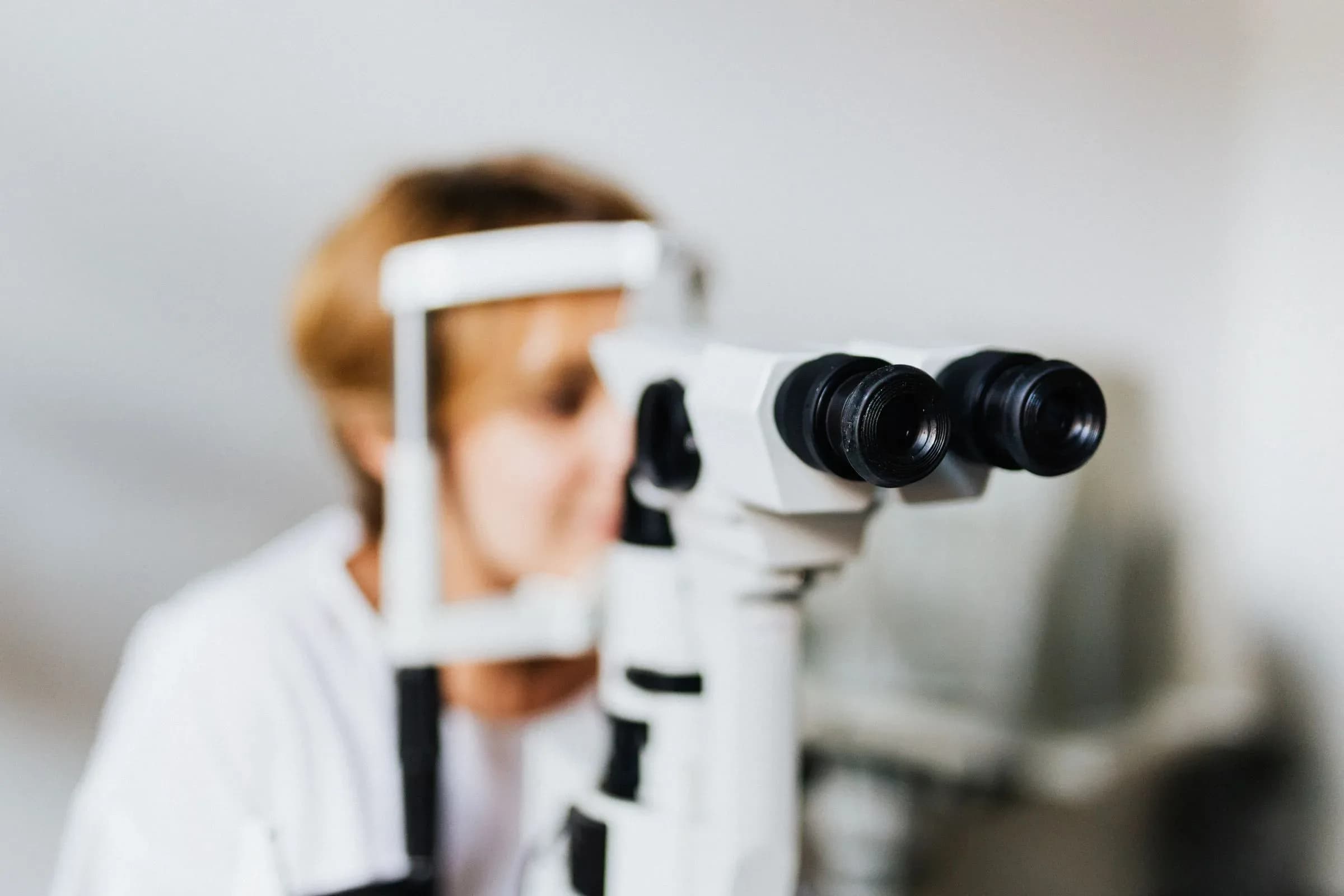
YAG laser
A short, painless laser treatment for the clouding that sometimes develops behind the lens implant months or years after cataract surgery. It takes a few minutes and needs no recovery time.
from £395 per eyeRead more →
FRCOphth
The Royal College of Ophthalmologists
Consultant-led
Every appointment, every time
Five clinics
Birmingham, Leicester, Manchester, Liverpool
45 min
First consultation
Practice policy
In their own words
A patient on their cataract surgery
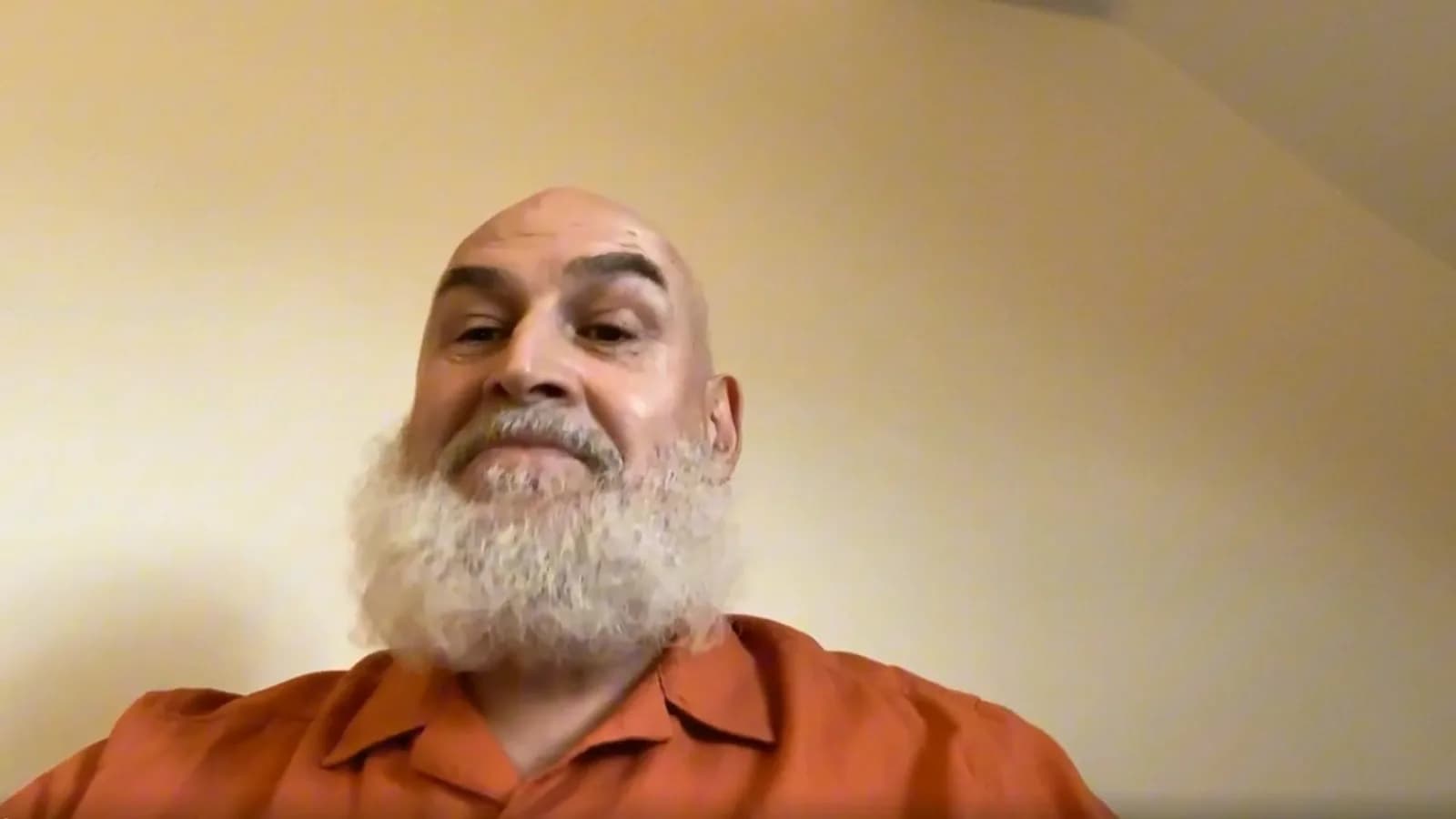
“You don’t realise how hard you’re working at everything when you can’t see properly”
What patients say
“I have seen Ms Li Jiang on a few occasions. I have always found her to be friendly, professional, understanding and overall a kind gentle person.”
A verified patient, September 2026 · Verified on Doctify “From the moment I entered the building, to the moment I left, I was made to feel as if I was the only person that mattered. Extremely friendly and welcoming, couldn’t do enough to make me feel at ease.”
A verified patient, March 2026 · Verified on Doctify “I have found Ms Jiang really approachable and pleasant. She is patient and spent a lot of time trying to put my mind at ease before cataract surgery. I am so grateful - thank you!”
A verified patient, June 2025 · Verified on Doctify
Where you can see Ms Jiang
An interactive map of the clinics. Every clinic is also listed in full below, with its address and consulting times.
Map data © OpenStreetMap contributors · Cartography by Protomaps
Common questions
What happens at the first consultation?
The first appointment takes about 45 minutes and is with Ms Jiang herself, not a delegate.
- A discussion of your symptoms, your general health and what you want from your vision
- A full examination, including measurements of the eye and its focusing power
- Dilating drops, which blur your vision for a few hours
- A frank conversation about the options, including doing nothing
- A written summary sent to you and, with your consent, to your GP
Because of the dilating drops, you should not plan to drive yourself home.
Do I need a referral from my GP?
Not for a self-funded consultation — you can book directly. If you are claiming on private medical insurance, most insurers require a GP or optometrist referral before they will authorise the appointment, so check with your insurer first.
Do you accept private medical insurance?
Note that refractive lens exchange carried out to reduce dependence on glasses is generally not covered by insurance, as it is considered elective. Cataract surgery usually is.
What are the risks?
Lens surgery is one of the most commonly performed operations in the UK and serious complications are rare, but it is still surgery and it is not risk-free.
Risks include infection, inflammation, swelling at the back of the eye, retinal detachment, and the possibility that the refractive result is not exactly as planned and needs further correction. Some patients notice glare or haloes around lights at night, particularly with multifocal lenses.
Ms Jiang will go through the risks that are relevant to your eyes specifically, with figures, and give you written information to take away before you decide anything.

Arrange a consultation
Enquiries are answered within one working day. If your symptoms have come on suddenly, please go to eye casualty rather than waiting for a reply.