Refractive error
The catch-all term for an eye that does not focus light where it should — short sight, long sight and astigmatism. It is not a disease, and it is the reason most people wear glasses or contact lenses.
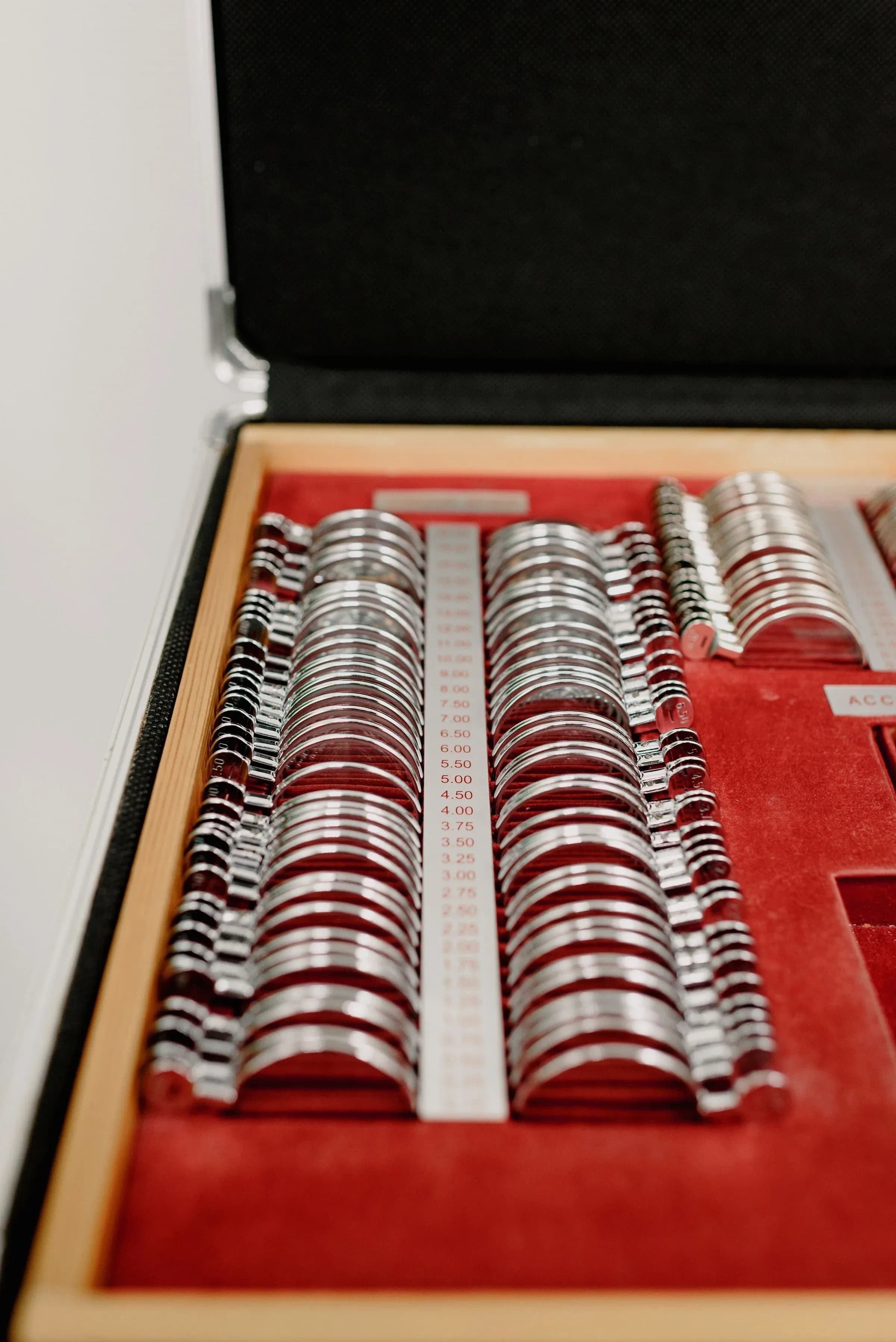
Stock photograph — https://www.pexels.com/photo/5752237/
Symptoms people commonly describe
- Distant things are blurred, and screens or signs are hard to read (myopia)
- Close work is tiring and print swims after a while (hyperopia)
- Vision is blurred or doubled at every distance (astigmatism)
- Headaches or aching eyes after reading or driving
Recognising your symptoms in this list does not mean you have this condition, and not recognising them does not rule it out. Only an examination with Ms Jiang or another eye specialist can establish what is going on.
What it is
Light entering the eye is bent by the cornea and the lens so that it lands on the retina. A refractive error simply means it lands somewhere else — in front of the retina in short sight, behind it in long sight, or at more than one point in astigmatism, because the cornea is shaped more like a rugby ball than a football.
How it is corrected
Glasses and contact lenses move the focus back where it belongs, and for most people that is the whole answer. Where somebody would rather not depend on them, the options are to reshape the cornea with a laser, to place an additional lens inside the eye, or to replace the eye’s own lens — which one is appropriate depends on the prescription, the shape and health of the eye, and age.
What it is not
A refractive error is not damage and not an illness. It does not threaten sight, and needing a stronger prescription over time is ordinary rather than a warning sign. A sudden change, though, is worth having looked at promptly.
Common questions
What happens at the first consultation?
The first appointment takes about 45 minutes and is with Ms Jiang herself, not a delegate.
- A discussion of your symptoms, your general health and what you want from your vision
- A full examination, including measurements of the eye and its focusing power
- Dilating drops, which blur your vision for a few hours
- A frank conversation about the options, including doing nothing
- A written summary sent to you and, with your consent, to your GP
Because of the dilating drops, you should not plan to drive yourself home.
What are the risks?
Lens surgery is one of the most commonly performed operations in the UK and serious complications are rare, but it is still surgery and it is not risk-free.
Risks include infection, inflammation, swelling at the back of the eye, retinal detachment, and the possibility that the refractive result is not exactly as planned and needs further correction. Some patients notice glare or haloes around lights at night, particularly with multifocal lenses.
Ms Jiang will go through the risks that are relevant to your eyes specifically, with figures, and give you written information to take away before you decide anything.
Talk to Ms Jiang about refractive error
A consultation is 45 minutes with Ms Jiang herself, and it is perfectly common to leave with a recommendation to do nothing yet.
Common questions
What happens at the first consultation?
The first appointment takes about 45 minutes and is with Ms Jiang herself, not a delegate.
- A discussion of your symptoms, your general health and what you want from your vision
- A full examination, including measurements of the eye and its focusing power
- Dilating drops, which blur your vision for a few hours
- A frank conversation about the options, including doing nothing
- A written summary sent to you and, with your consent, to your GP
Because of the dilating drops, you should not plan to drive yourself home.
What are the risks?
Lens surgery is one of the most commonly performed operations in the UK and serious complications are rare, but it is still surgery and it is not risk-free.
Risks include infection, inflammation, swelling at the back of the eye, retinal detachment, and the possibility that the refractive result is not exactly as planned and needs further correction. Some patients notice glare or haloes around lights at night, particularly with multifocal lenses.
Ms Jiang will go through the risks that are relevant to your eyes specifically, with figures, and give you written information to take away before you decide anything.