Treatments
The procedures Ms Jiang offers privately. Each page explains what the treatment involves, who it is generally considered for, and what recovery looks like.
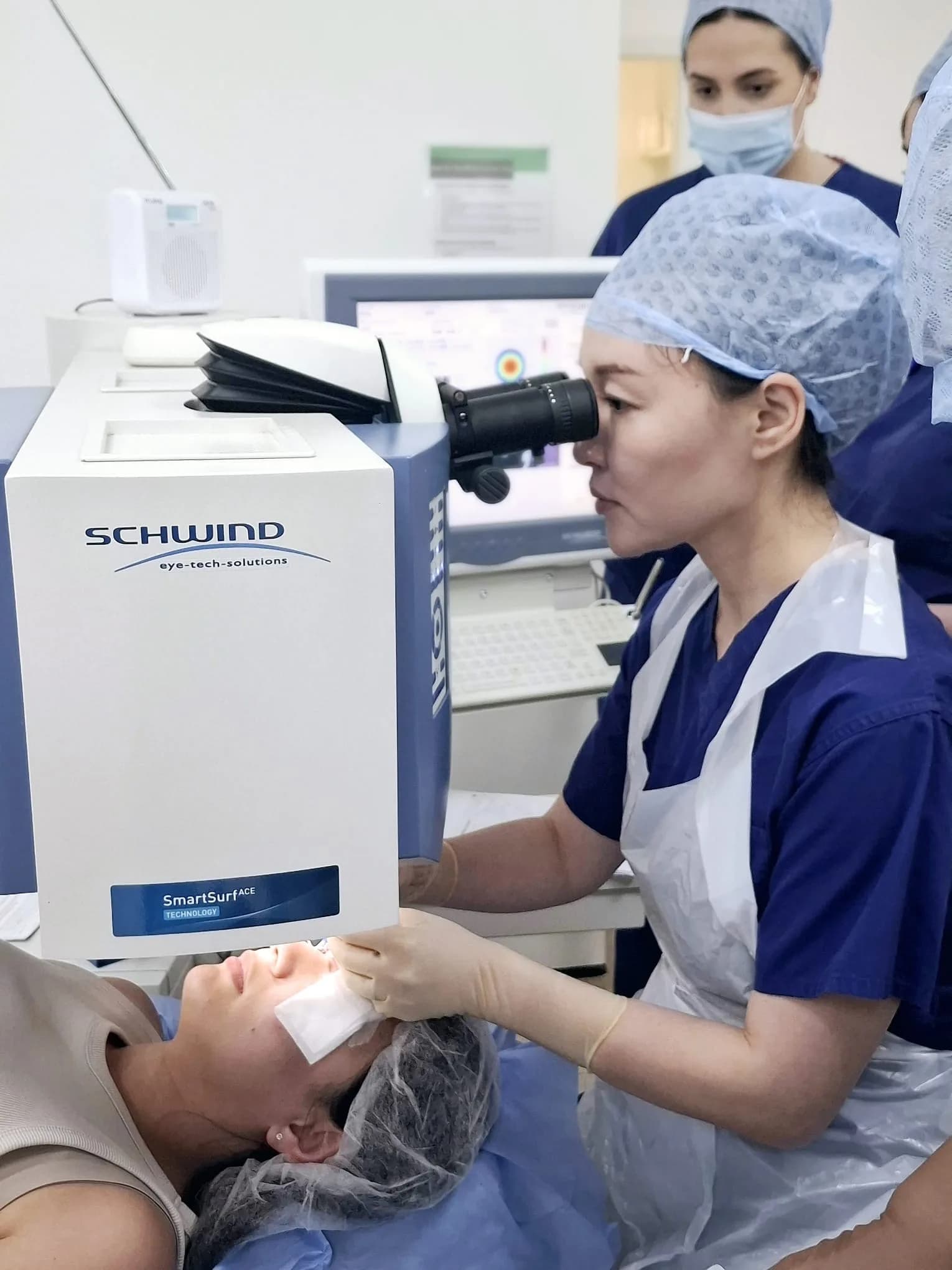
Laser eye surgery
Laser eye surgery uses cool beams of light to reshape the clear front surface of your eye, called the cornea. This quick, painless 10 to 20-minute outpatient procedure fixes how light enters your eye. It helps you see clearly without glasses or contact lenses.
£1,295 per eyeRead more →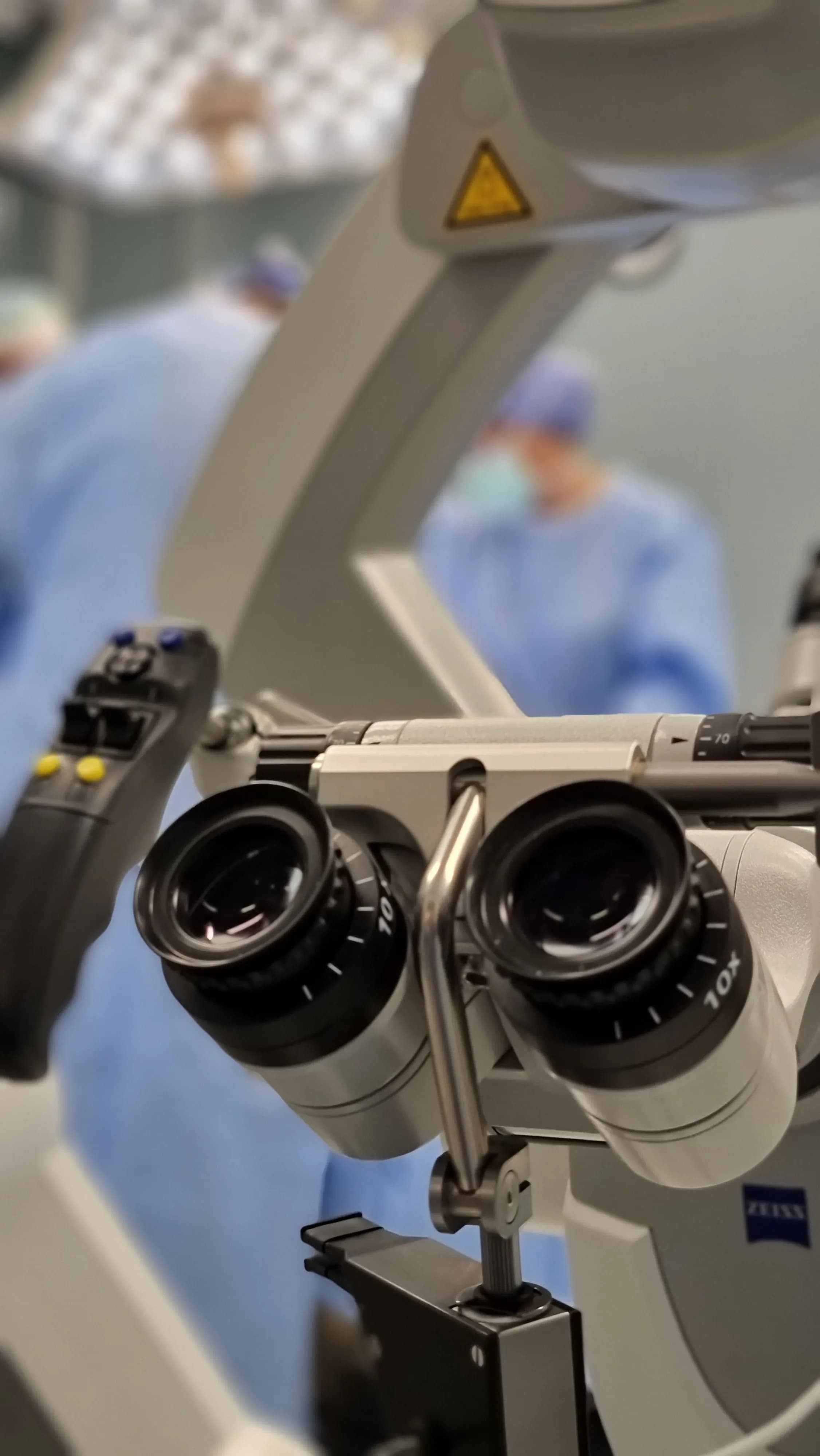
Refractive lens replacement
Replacing the eye’s natural lens with an artificial one chosen to correct your focus, to reduce or remove the need for reading glasses and varifocals. A cataract can never develop afterwards.
from £2,795 per eyeRead more →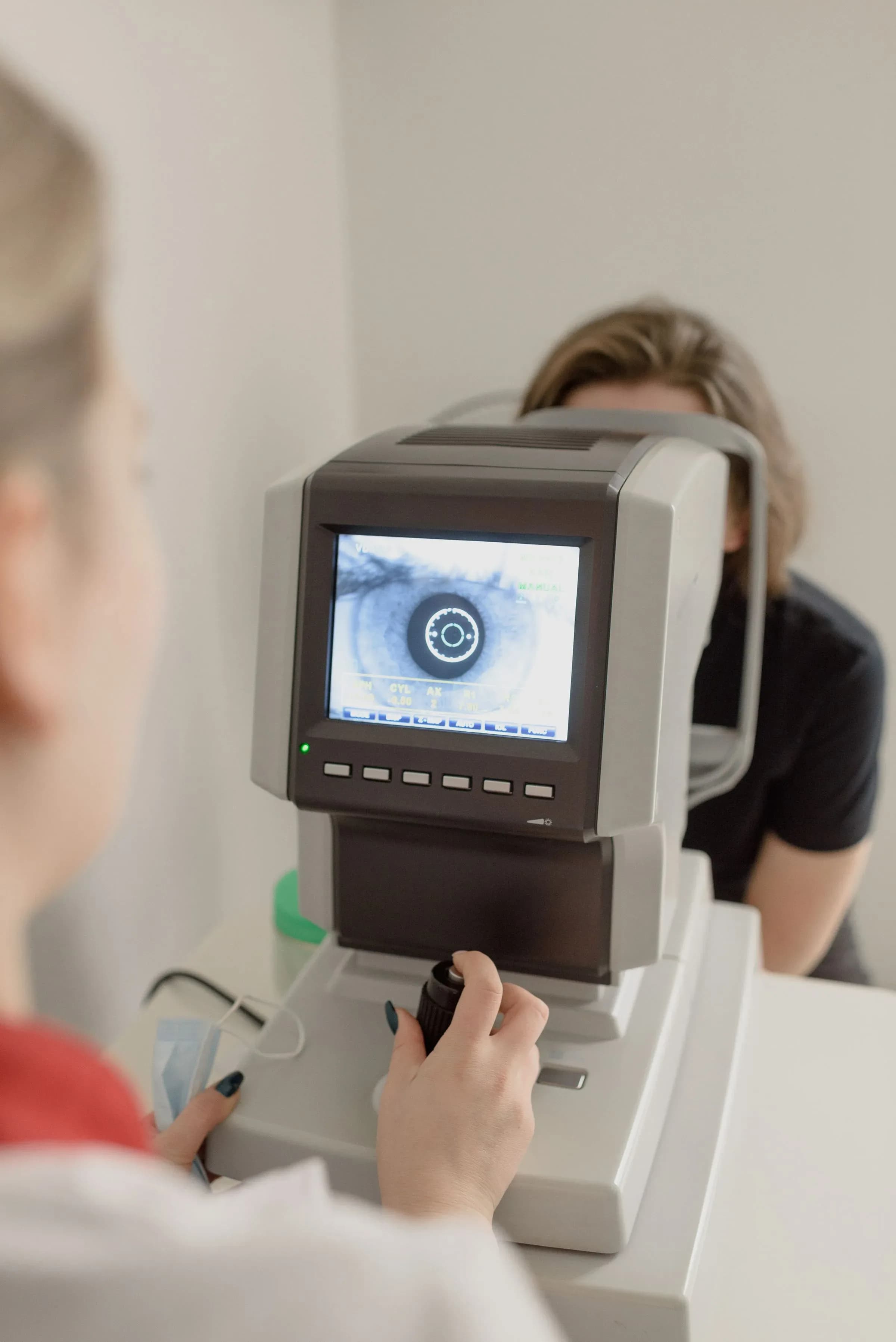
Implantable contact lens
A soft lens placed inside the eye, in front of the natural one, to correct short sight or astigmatism. The eye’s own lens is left where it is, and the implant can be removed again if it ever needs to be.
£3,395 per eyeRead more →
Cataract surgery
Day-case surgery to remove a clouded natural lens and replace it with a clear artificial one. One of the most commonly performed and most reliable operations in the UK.
from £2,795 per eyeRead more →
YAG laser
A short, painless laser treatment for the clouding that sometimes develops behind the lens implant months or years after cataract surgery. It takes a few minutes and needs no recovery time.
from £395 per eyeRead more →
Also offered
Consulting and monitoring appointments alongside the surgery — same clinics, and Ms Jiang at every one of them.
Dry eye
A structured assessment of persistent grittiness, watering, burning or fluctuating vision, and a treatment plan built around what is actually causing it rather than trial-and-error drops.
General consultation
A full eye examination with a consultant, for symptoms that need explaining, a second opinion on advice given elsewhere, or reassurance that nothing is wrong.
Amniotic membrane
A thin patch of donated amniotic membrane placed over the surface of the eye to protect it and encourage it to heal. It is used when the surface has been slow to settle on its own, and it is absorbed or removed once it has done its work.
Cross-linking
A treatment that strengthens the cornea using riboflavin drops and ultraviolet light, to stop it continuing to thin and change shape. It is done to hold the cornea where it is rather than to sharpen vision, and glasses or contact lenses are usually still needed afterwards.
Pterygium surgery
Removal of a pterygium — a wedge of tissue that grows from the white of the eye onto the cornea — usually with a graft of the eye’s own surface tissue laid over the area afterwards to reduce the chance of it returning.
Superficial keratectomy
Removal of an irregular or opaque layer from the very front of the cornea, to leave a smoother surface. It includes Salzmann nodulectomy, which is the removal of the raised nodules that give that condition its name.