Glaucoma
Glaucoma is damage to the optic nerve, usually related to the pressure inside the eye. It is painless and takes peripheral vision first, which is why it is often found at a routine sight test rather than noticed.
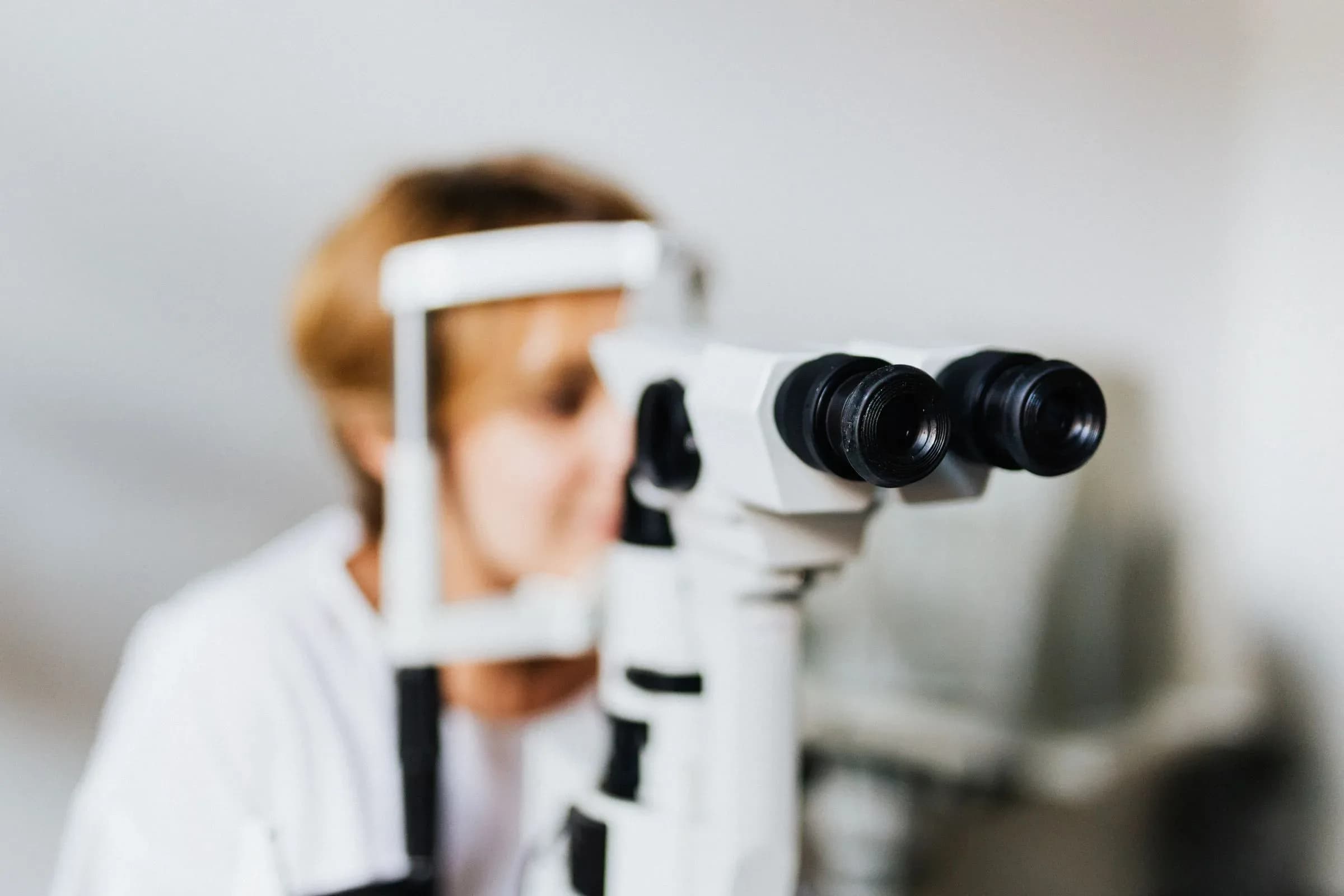
Stock photograph — https://www.pexels.com/photo/5201872/
Symptoms people commonly describe
- Usually none at all in the early stages
- Gradual loss of side vision, often unnoticed until advanced
- Raised eye pressure found at a routine sight test
- A family history of glaucoma
Recognising your symptoms in this list does not mean you have this condition, and not recognising them does not rule it out. Only an examination with Ms Jiang or another eye specialist can establish what is going on.
Why it matters
Sight lost to glaucoma cannot be recovered. Treatment protects what remains, which is why finding it early and monitoring it consistently makes such a difference to the long-term outcome.
How it is assessed
Assessment involves measuring the pressure inside the eye, examining the optic nerve, mapping your field of vision and scanning the nerve fibre layer. No single one of these gives the answer — glaucoma is diagnosed on the pattern across all of them, and often on how they change over time.
Treatment
Most glaucoma is managed with daily eye drops that lower the pressure. Laser treatment and surgery are options where drops are not enough or not tolerated. The aim throughout is to slow change to the point where your sight lasts your lifetime.
If you have been told your eye pressure is raised, it does not mean you have glaucoma — but it does mean you should be assessed properly rather than left to see how it goes.
Common questions
Do I need a referral from my GP?
Not for a self-funded consultation — you can book directly. If you are claiming on private medical insurance, most insurers require a GP or optometrist referral before they will authorise the appointment, so check with your insurer first.
What happens at the first consultation?
The first appointment takes about 45 minutes and is with Ms Jiang herself, not a delegate.
- A discussion of your symptoms, your general health and what you want from your vision
- A full examination, including measurements of the eye and its focusing power
- Dilating drops, which blur your vision for a few hours
- A frank conversation about the options, including doing nothing
- A written summary sent to you and, with your consent, to your GP
Because of the dilating drops, you should not plan to drive yourself home.
Talk to Ms Jiang about glaucoma
A consultation is 45 minutes with Ms Jiang herself, and it is perfectly common to leave with a recommendation to do nothing yet.
Common questions
Do I need a referral from my GP?
Not for a self-funded consultation — you can book directly. If you are claiming on private medical insurance, most insurers require a GP or optometrist referral before they will authorise the appointment, so check with your insurer first.
What happens at the first consultation?
The first appointment takes about 45 minutes and is with Ms Jiang herself, not a delegate.
- A discussion of your symptoms, your general health and what you want from your vision
- A full examination, including measurements of the eye and its focusing power
- Dilating drops, which blur your vision for a few hours
- A frank conversation about the options, including doing nothing
- A written summary sent to you and, with your consent, to your GP
Because of the dilating drops, you should not plan to drive yourself home.