Superficial keratectomy
Removal of an irregular or opaque layer from the very front of the cornea, to leave a smoother surface. It includes Salzmann nodulectomy, which is the removal of the raised nodules that give that condition its name.
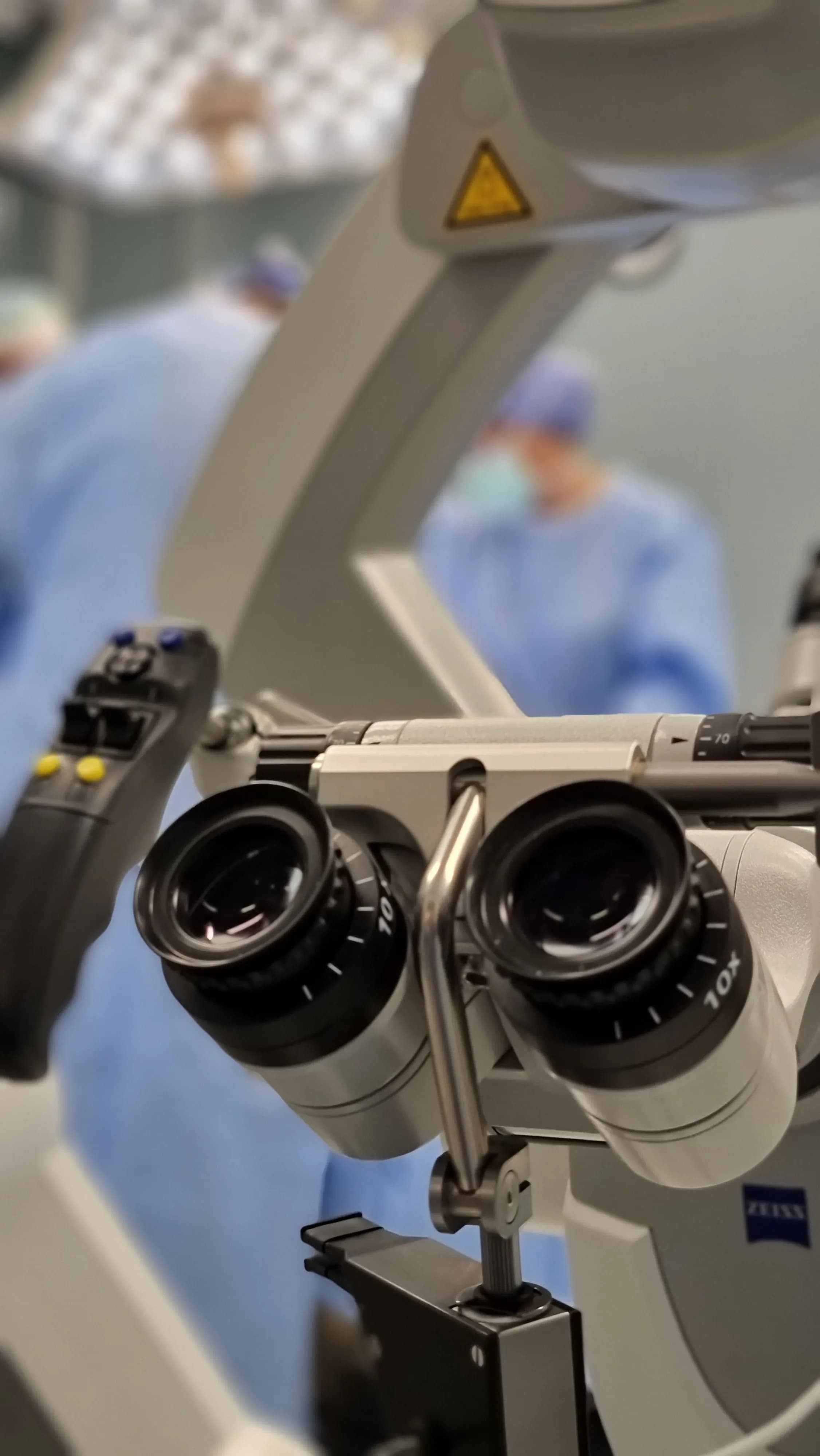
Stock photograph — https://www.pexels.com/photo/30769276/
- Also known as
- Salzmann nodulectomy, Corneal surface smoothing, Superficial keratectomy with nodulectomy
Who this is generally considered for
People with a raised or irregular corneal surface that is blurring vision, causing recurrent discomfort, or preventing a contact lens from sitting properly. Whether it is appropriate for any individual depends on a full examination.
This is general information, not advice about your own eyes. Whether this treatment is right for you can only be established at a consultation, after Ms Jiang has examined them.
Treatment
Superficial keratectomy
Removal of an irregular or opaque layer from the very front of the cornea, to leave a smoother surface. It includes Salzmann nodulectomy, which is the removal of the raised nodules that give that condition its name.
Who this is usually considered for
People with a raised or irregular corneal surface that is blurring vision, causing recurrent discomfort, or preventing a contact lens from sitting properly. Whether it is appropriate for any individual depends on a full examination.
Recovery
Before you decide
Ms Jiang will go through the risks relevant to your eyes specifically, with figures, and give you written information to take away. Nobody is asked to decide on the day.
How it works
- 01
Consultation
A full examination and measurements, a discussion of the options including doing nothing, and written information to take away.
About 45 minutes
- 02
The procedure
A day case under local anaesthetic. You are awake but comfortable, and you go home a couple of hours afterwards.
About 20 minutes
- 03
Follow-up
Seen the next day, then at intervals over about six weeks until your vision has settled and drops are finished.
Six weeks
Common questions
What happens at the first consultation?
The first appointment takes about 45 minutes and is with Ms Jiang herself, not a delegate.
- A discussion of your symptoms, your general health and what you want from your vision
- A full examination, including measurements of the eye and its focusing power
- Dilating drops, which blur your vision for a few hours
- A frank conversation about the options, including doing nothing
- A written summary sent to you and, with your consent, to your GP
Because of the dilating drops, you should not plan to drive yourself home.
Do I need a referral from my GP?
Not for a self-funded consultation — you can book directly. If you are claiming on private medical insurance, most insurers require a GP or optometrist referral before they will authorise the appointment, so check with your insurer first.
What are the risks?
Lens surgery is one of the most commonly performed operations in the UK and serious complications are rare, but it is still surgery and it is not risk-free.
Risks include infection, inflammation, swelling at the back of the eye, retinal detachment, and the possibility that the refractive result is not exactly as planned and needs further correction. Some patients notice glare or haloes around lights at night, particularly with multifocal lenses.
Ms Jiang will go through the risks that are relevant to your eyes specifically, with figures, and give you written information to take away before you decide anything.
Ask about superficial keratectomy
Enquiries are answered within one working day. There is no obligation and no deposit is taken at the enquiry stage.
Common questions
What happens at the first consultation?
The first appointment takes about 45 minutes and is with Ms Jiang herself, not a delegate.
- A discussion of your symptoms, your general health and what you want from your vision
- A full examination, including measurements of the eye and its focusing power
- Dilating drops, which blur your vision for a few hours
- A frank conversation about the options, including doing nothing
- A written summary sent to you and, with your consent, to your GP
Because of the dilating drops, you should not plan to drive yourself home.
Do I need a referral from my GP?
Not for a self-funded consultation — you can book directly. If you are claiming on private medical insurance, most insurers require a GP or optometrist referral before they will authorise the appointment, so check with your insurer first.
What are the risks?
Lens surgery is one of the most commonly performed operations in the UK and serious complications are rare, but it is still surgery and it is not risk-free.
Risks include infection, inflammation, swelling at the back of the eye, retinal detachment, and the possibility that the refractive result is not exactly as planned and needs further correction. Some patients notice glare or haloes around lights at night, particularly with multifocal lenses.
Ms Jiang will go through the risks that are relevant to your eyes specifically, with figures, and give you written information to take away before you decide anything.