Cataract or presbyopia? Why the difference matters
Both make reading harder in your fifties, and they are frequently confused. The distinction changes what treatment makes sense — and whether your insurer will pay for it.
By Ms Li Jiang MBChB (Hon) FRCOphth CertLRS · Published 18 June 2026
Clinically reviewed by Ms Jiang on 18 June 2026
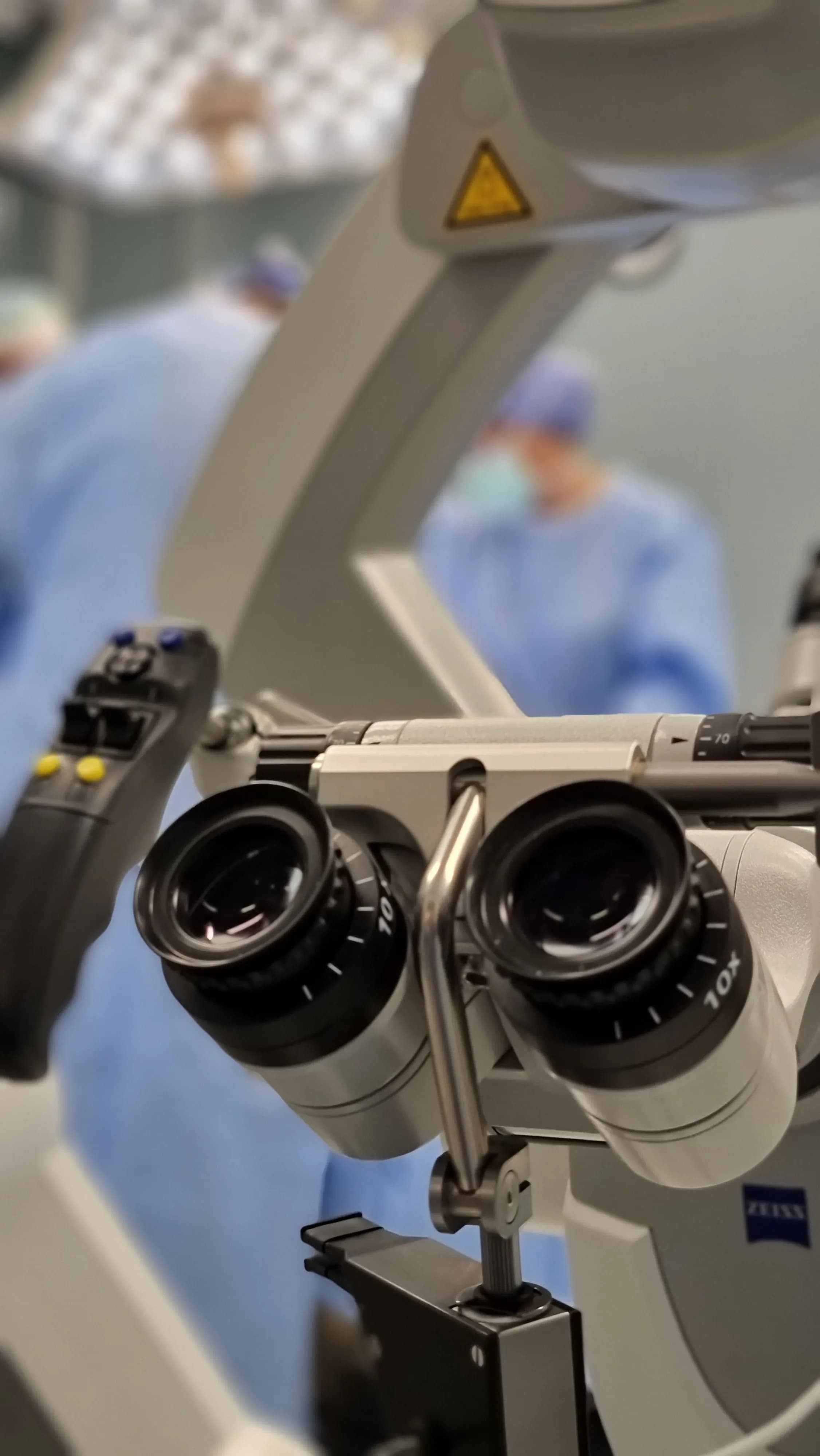
Stock photograph — https://www.pexels.com/photo/30769276/
Two people arrive at a clinic in their late fifties. Both say the same thing: reading has become difficult and the print in restaurants is impossible. One has a cataract; the other has presbyopia. The conversations that follow are quite different.
What each one actually is
Presbyopia is a loss of focusing range. The natural lens stiffens with age and can no longer flex to bring near objects into focus. Your distance vision is unaffected and the lens itself remains clear.
A cataract is a loss of clarity. The lens becomes cloudy and scatters light, which affects vision at all distances — though the first sign is often glare at night rather than difficulty reading.
The clue is usually night driving
Presbyopia does not cause haloes around headlights. If oncoming traffic has started to dazzle you, or streetlights have grown starbursts, that points to a cataract, and the reading difficulty may be a second problem rather than the main one.
Why the distinction has practical consequences
The operation is essentially identical: the natural lens comes out and an artificial one goes in. What differs is the reason, and that has real consequences.
- Cataract surgery treats a clinical problem, and private medical insurance usually covers it
- Lens replacement for presbyopia alone is elective, and is generally not covered
- The threshold for recommending surgery is lower when a cataract is present
What to do about it
You do not need to work out which you have before booking — that is the job of the examination. But it is worth knowing that "I need reading glasses" and "headlights dazzle me" are two different complaints, and mentioning both changes what gets looked for.
References
This article is general information and is not advice about your own eyes. If something here worries you, arrange a consultation rather than acting on it alone.